








service
Energy Consulting
Verified energy savings – CMVP-led, IPMVP-aligned
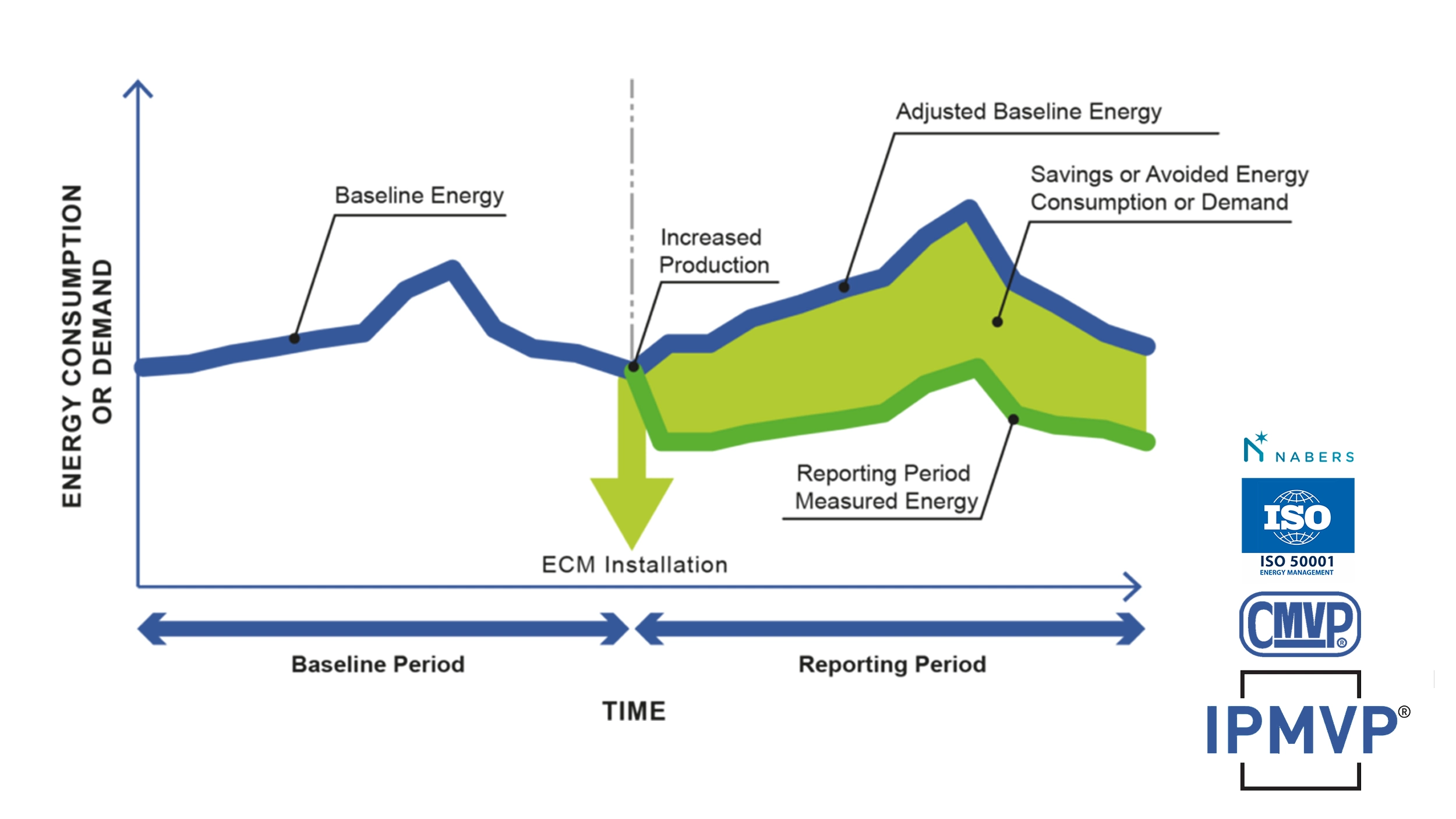
ThinxEnergy delivers independent energy consulting led by a Certified Measurement & Verification Professional (CMVP®). We help commercial buildings, hotels, resorts and utilities across New Zealand and the Pacific measure, reduce and prove their energy savings in line with the International Performance Measurement and Verification Protocol (IPMVP®) from EVO.
Our Consulting Services
Our basic energy audit provides a foundational assessment of your facility's energy consumption patterns. This service includes:
- Energy Audits (ISO 50002 / AS/NZS 3598 aligned)
Level 1 walk-through and Level 2 detailed audits - Utility bill and interval-data analysis, tariff review
- End-use breakdown of HVAC, lighting, refrigeration, hot water and plant
- Prioritised Energy Conservation Measures (ECMs) with cost, savings and payback
- Baseline data collection ready for IPMVP M&V
- Savings reports with stated uncertainty for owners, ESCOs, lenders and grant funders
- Energy Performance Contract (EPC) and performance-guarantee verification
Measurement & Verification (IPMVP)
Independent, CMVP-led M&V to quantify the real savings of efficiency, solar, battery and controls projects.
-
M&V Plans compliant with IPMVP Core Concepts
-
Option A – Retrofit isolation, key parameter measurement (e.g. lighting)
-
Option B – Retrofit isolation, all parameter measurement (e.g. VSDs, chillers)
-
Option C – Whole facility, utility meter and regression analysis
-
Option D – Calibrated simulation for new builds or complex sites
-
Baseline modelling with routine and non-routine adjustments (weather, occupancy, production)
NABERS NZ & Building Ratings
-
NABERS NZ readiness assessments and gap analysis for office buildings
-
Metering and data-collection setup for rating periods
-
Improvement plans to lift star ratings – HVAC tuning, BMS optimisation, lighting
-
Coordination of formal ratings with accredited NABERS NZ assessors
-
Ongoing monitoring to maintain and improve ratings year on year
-
Support for Green Star, ESG and climate-related disclosure reporting
-
Energy Audits (ISO 50002 / AS/NZS 3598 aligned)
Energy Management Systems
-
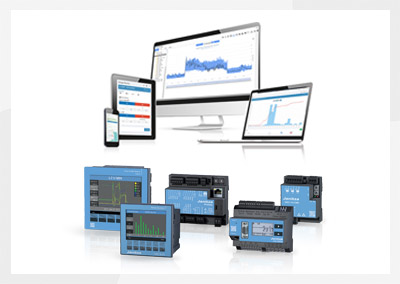
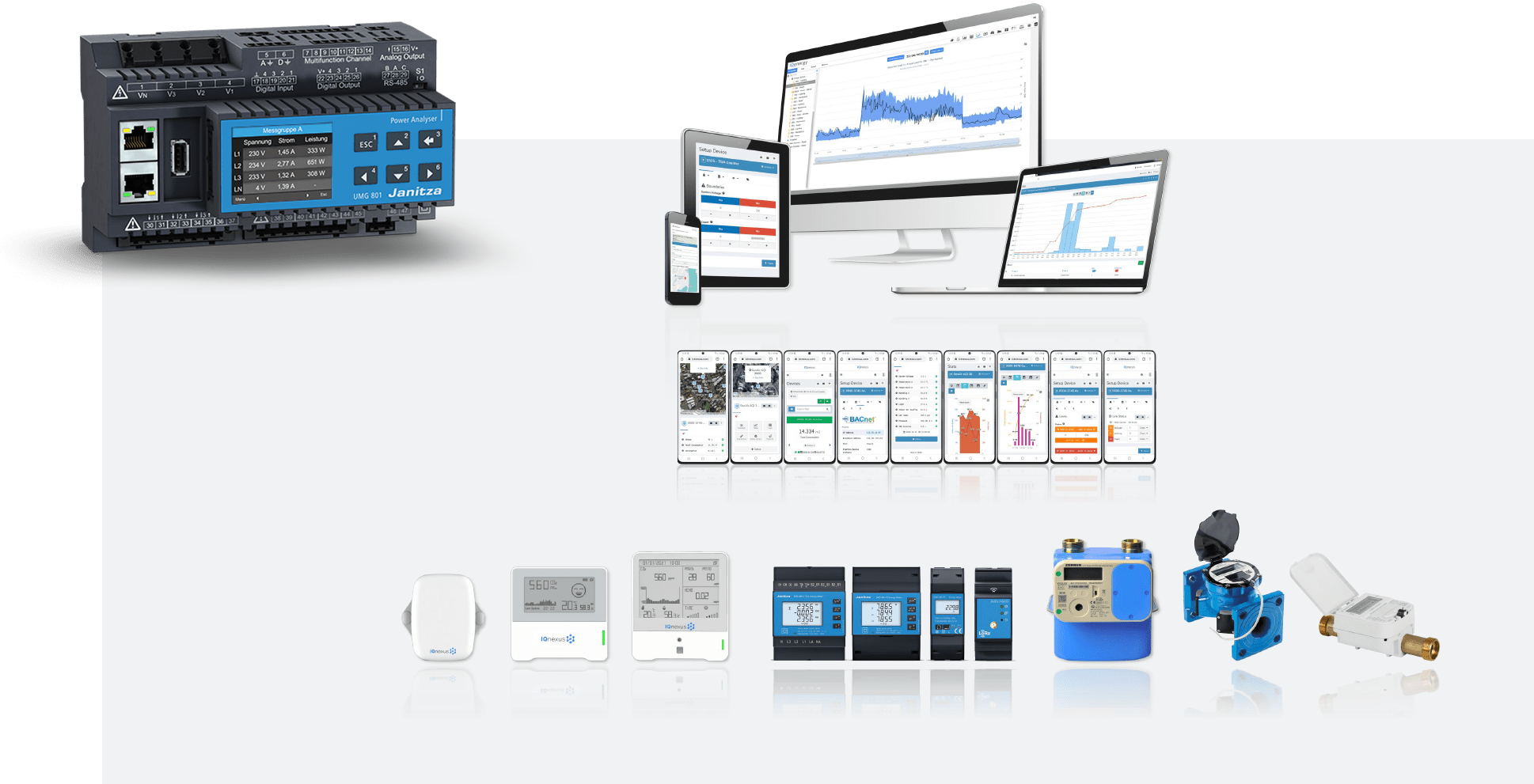
Real-time sub-metering and monitoring of all major loads
-
Monitoring & Targeting (M&T), alarms and KPI dashboards
-
IoT, Modbus, BACnet and LoRaWAN integration
-
Automated M&V and NABERS data reporting
Building Automation & HVAC Control
-
Smart HVAC controls, sensors and BMS retrofits
-
Occupancy-based climate control, scheduling and zoning
-
Predictive maintenance to reduce downtime and extend equipment life
-
Continuous commissioning to keep savings persistent
-
Real-time sub-metering and monitoring of all major loads
Renewable & Storage Verification
- Load profiling for solar PV, battery and hybrid system design
- PV performance reviews and yield verification
- Diesel-displacement and fuel-saving verification for island grids
Your Energy Savings Process
Click on the icons below to see the different phases of the Process

Consultation

Concept

The Cycle

Operation
Consulting & Programs
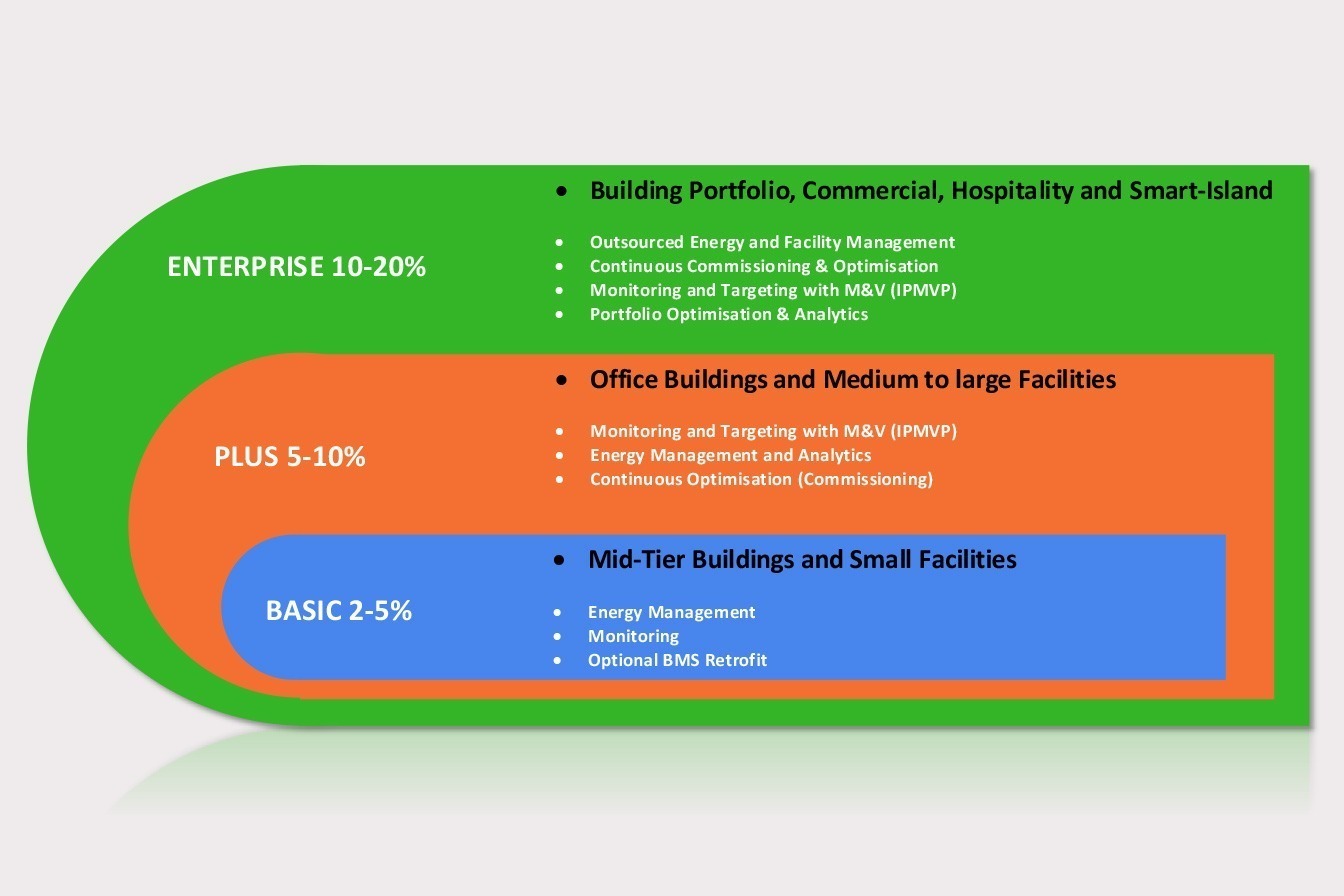
ICTnexus offers a comprehensive suite of energy management solutions tailored to meet diverse client needs:
- Basic Program: Focuses on essential energy monitoring and management, with an optional Building Management System (BMS) retrofit to modernise existing infrastructure.
- Plus Program: Enhances the basic offering with advanced monitoring and targeting capabilities, coupled with sophisticated energy management and analytics tools for deeper insights and optimization.
- Enterprise Program: Outsourced Energy and Facility Management. Provides comprehensive outsourced services including monitoring, targeting, and Measurement and Verification (M&V) following the International Performance Measurement and Verification Protocol (IPMVP)
Concept Phase
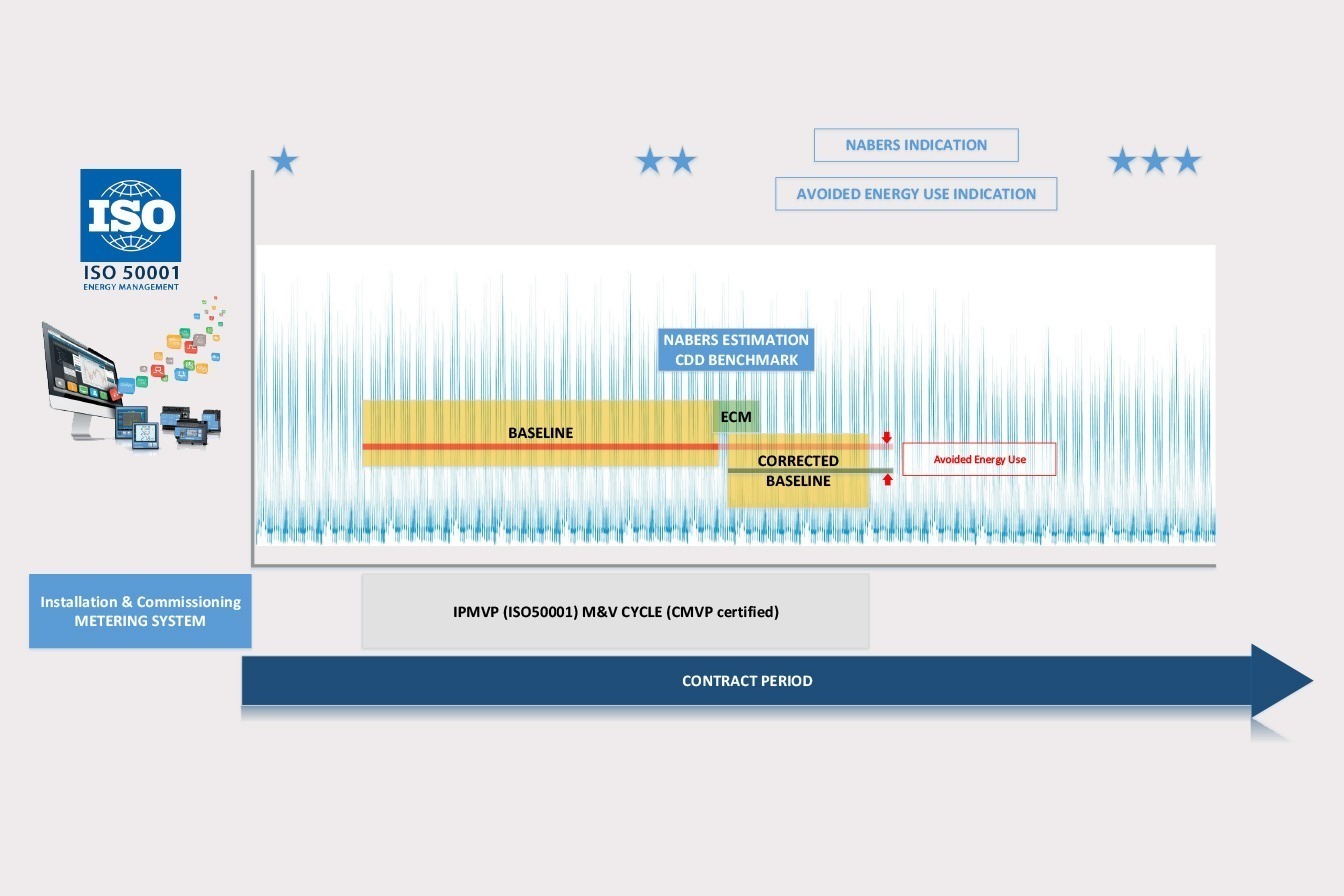
Define Scope and Boundaries: Clearly outline the physical or organisational limits of the energy management system.
- Conduct Energy Review: Analyse energy use and consumption based on measurements and data to identify Significant Energy Uses (SEUs)
- Establish Energy Baseline (EnB): Use information from the energy review. Consider a suitable time period, typically before implementing energy improvements. Ensure the baseline reflects a specified period
- Identify Relevant Variables: Determine factors that significantly affect energy performance, such as occupancy or weather conditions
- Normalise Data: Adjust the baseline and Energy Performance Indicators (EnPIs) to account for these variables, allowing for meaningful comparisons over time
The Cycle
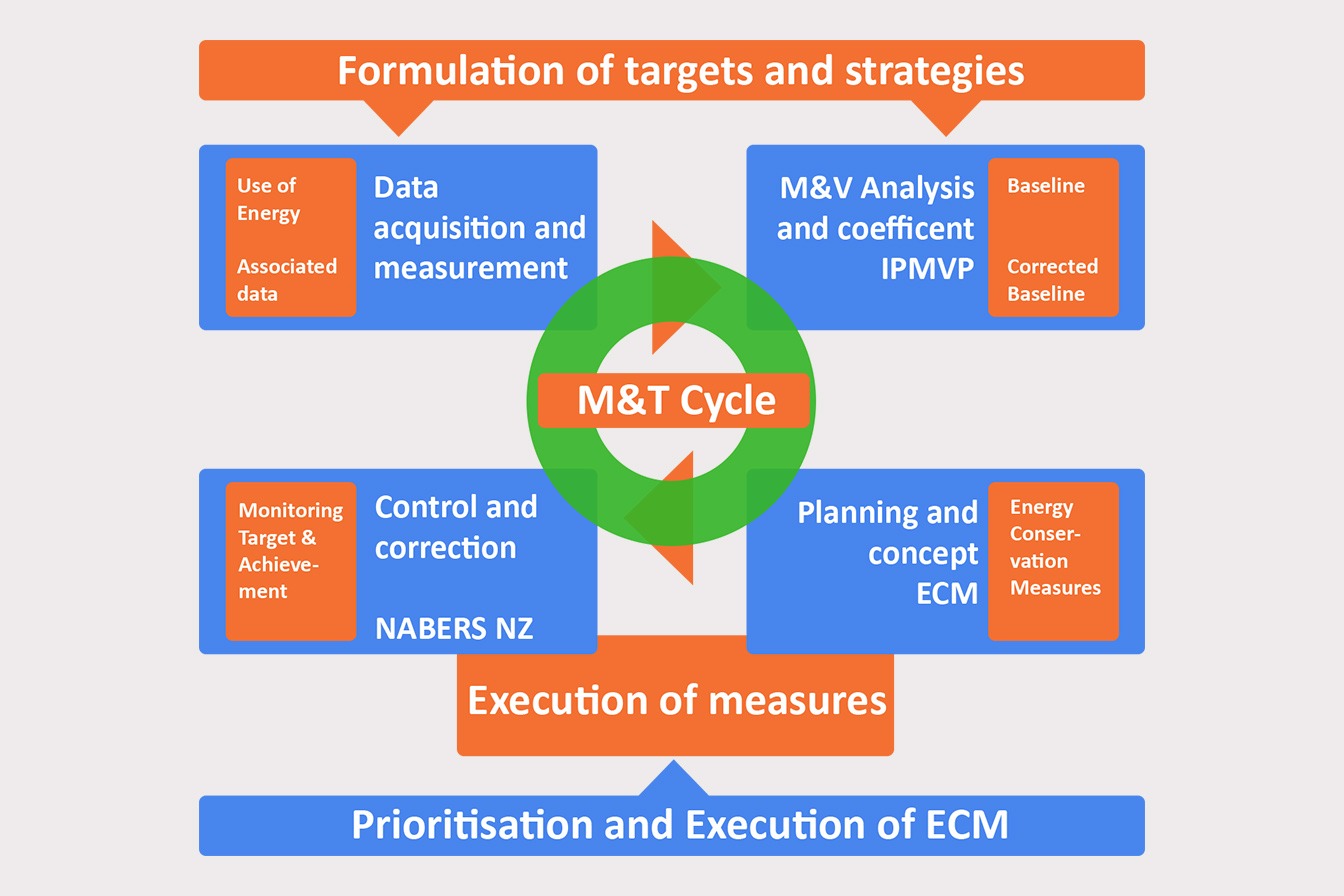
The energy management cycle is a systematic approach to continuously improve an organization's energy performance. Here's how to establish it:
- Engage Management and secure top-level commitment to energy management
- Develop and communicate a clear energy policy
- Allocate resources and define roles and responsibilities
- Set clear, measurable energy performance goals with target dates
- Identify and prioritize energy conservation measures (ECMs) and execute them
- Evaluate the effectiveness of the energy management efforts
- Identify new opportunities for improvement
Operational Phase!
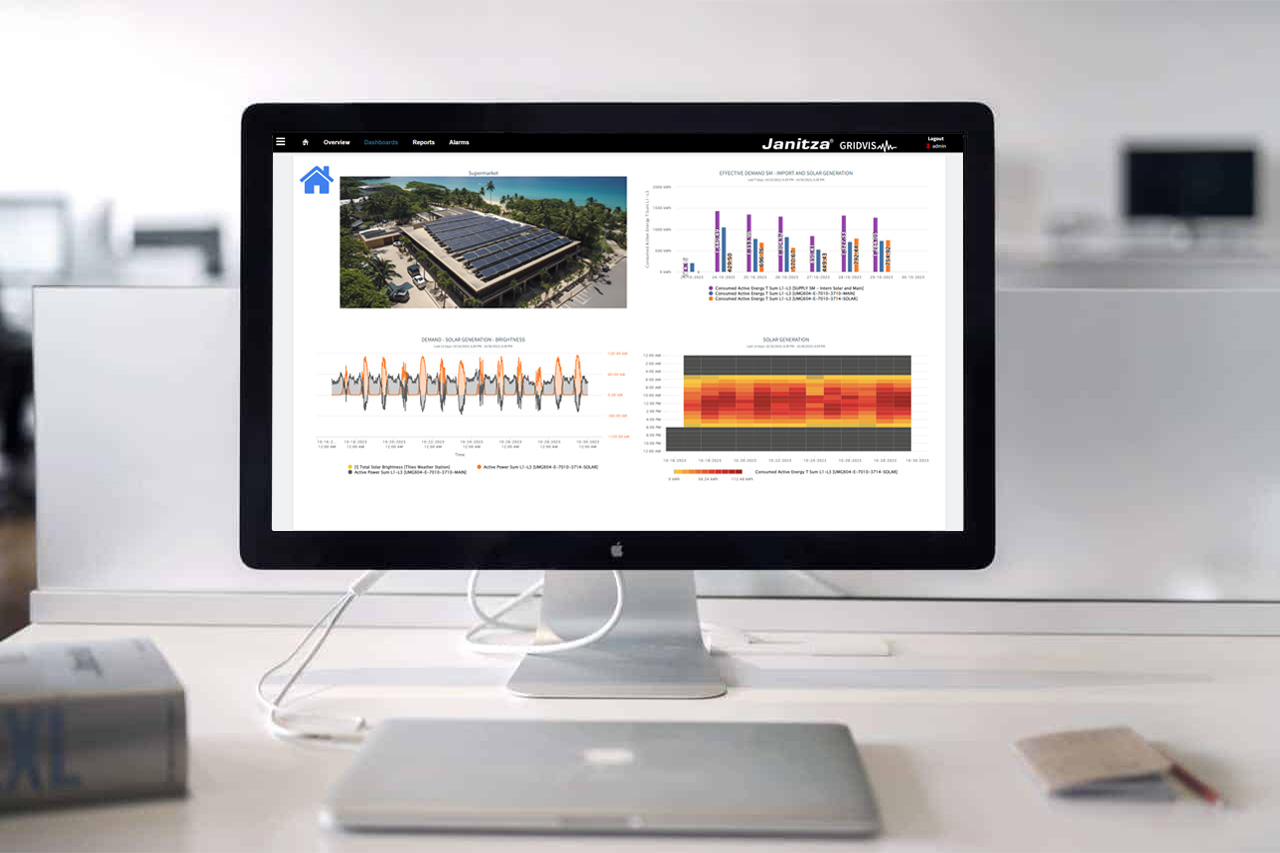
To prevent the return to old behaviors and analyse savings in an ongoing IPMVP-like process with AI, we will implement the following strategies:
- Continuous Monitoring and Analysis: Real-time data collection, AI-powered analytics and automated alerts to flag anomalies
- Behavioral Reinforcement: Regular training, visualisation tools
- Gamification: Implement friendly competition or reward systems to encourage sustained energy-efficient practices
- Savings Analysis and Verification: We use AI-enhanced savings calculations by accounting for complex interactions and patterns
- Continuous Improvement: Regular reviews and keep the Cycle going